How to Avoid Costly Mistakes When Hiring a Desentupidora em Sumaré SP
A backed-up kitchen drain at 7 a.m. on a Saturday, water pooling around the floor drain, and a family that needs the sink working before lunch. That is the moment most people in Sumaré start searching for a desentupidora em Sumaré SP. The search intent is usually urgent: find a local, reliable company that can clear the blockage without damaging the pipes or inflating the bill. In this training-style guide, I will walk you through the mistakes beginners make in that situation and how to correct each one so you hire well the first time.
Sumaré sits in the Campinas metropolitan region, and many homes and businesses here have older hydraulic networks, shared sewage lines, and septic systems that need periodic maintenance. That reality shapes the kind of professional you should call. A company that works only with a manual snake may not be equipped for a grease-choked restaurant line or a root-invaded sewer main. Learning to ask the right questions before the technician arrives is the difference between a quick fix and a repeat problem.
Mistake 1: Calling the First Number Without Checking Local Coverage
When a drain backs up, the instinct is to dial the first number that appears in a search result. The problem is that many listings are lead-generation services that forward your call to a contractor who may be based far away. In an emergency, travel time matters. A team that knows Sumaré’s neighborhoods, streets, and typical pipe materials can arrive faster and diagnose more accurately.
Check whether the company actually serves Sumaré and the surrounding region. Ask for the address of the base of operations, not just a call center. A local provider should be able to tell you how long it typically takes to reach your neighborhood. If the answer is vague or the dispatcher cannot name your area, keep looking.
The correction is simple: before you call, confirm local coverage on the company’s website or by phone. A dedicated desentupidora Sumaré page or service area list is a good sign. It shows the business has organized its operations around the city rather than treating it as a random pin on a map.
Mistake 2: Skipping the Diagnosis and Jumping Straight to the Snake
Beginners often assume every clog is the same. They grab a plunger, then a hand snake, then a chemical drain cleaner, and when none of those work, they call a professional. By then, the blockage may have been pushed deeper or the pipe may have been weakened by harsh chemicals. The correction is to treat diagnosis as part of the job, not an optional extra.
A trained technician will ask what drains are affected, whether there is a smell, whether water backs up in multiple fixtures, and whether the property has a septic tank or is connected to the municipal sewer. These answers point to the location and nature of the obstruction. A single slow sink is very different from sewage rising in the shower and the toilet at the same time.
What a proper diagnosis should include
- Questions about which fixtures are affected and for how long.
- A visual inspection of accessible drains and cleanouts.
- Confirmation of whether the property uses a septic system or public sewer.
- An explanation of the likely cause before any equipment is used.
If a company quotes a price over the phone without asking a single question, treat that as a warning. A responsible provider explains the probable cause before quoting a solution. That conversation also protects you from paying for the wrong service.
Mistake 3: Choosing the Cheapest Quote Without Understanding the Method
Price matters, especially in an emergency, but the lowest quote can hide a mismatch between the method and the problem. A simple manual snake might clear a bathroom sink, but it will struggle against a main sewer line blocked by roots or heavy grease. The correction is to compare quotes by method, not just by number.
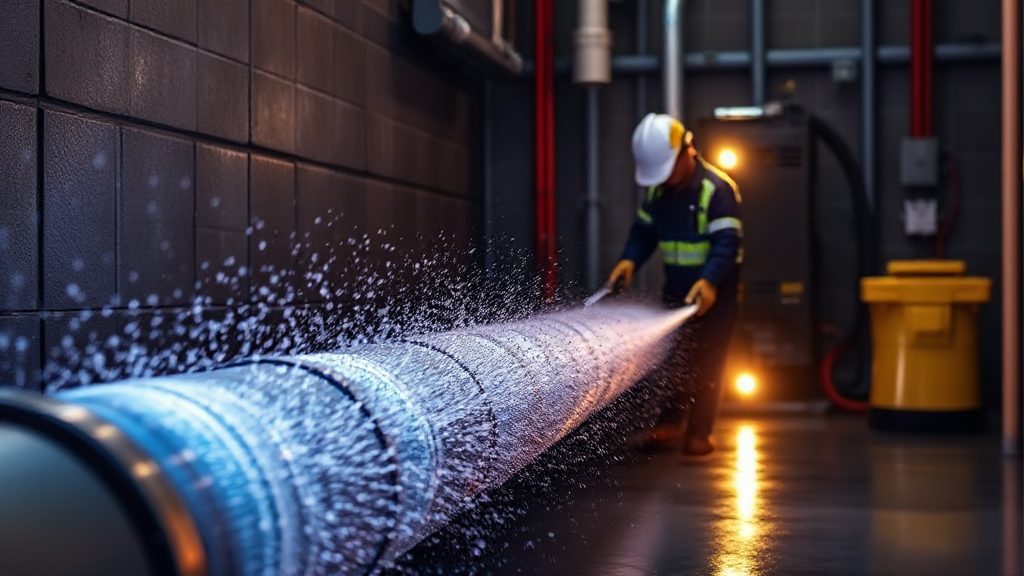
Ask what equipment will be used and why. For light blockages in small pipes, a motorized snake or plunger may be enough. For larger lines, hydrojetting uses high-pressure water to scour the pipe walls and remove buildup that a snake only pierces. For septic systems, pumping and cleaning require a vacuum truck and proper disposal. Each method has a different cost structure, and the cheapest option is only a bargain if it actually solves the problem.
| Method | Best for | What to ask |
|---|---|---|
| Manual or motorized snake | Small pipes, light clogs, accessible drains | Will you inspect after clearing? |
| Hydrojetting | Grease, scale, roots in larger lines | What pressure is used, and is it safe for my pipe material? |
| Septic tank cleaning | Properties not connected to the public sewer | Where is the waste disposed of, and do I get a receipt? |
A quote that includes diagnosis, the right equipment, and proper disposal is usually more honest than a rock-bottom number that excludes those steps. Ask for the scope in writing before work begins.
Mistake 4: Ignoring Safety and Property Protection
Drain cleaning involves water, waste, and sometimes heavy equipment. Beginners often forget to ask how the team will protect floors, furniture, and surrounding areas. The correction is to treat property protection as part of the service, not a favor. A professional crew uses protective coverings, keeps the work area contained, and cleans up afterward.
Safety also applies to the people in the home. Sewage backups can release harmful bacteria and gases. Ask whether the team uses personal protective equipment and whether they will disinfect the affected area after clearing the blockage. If the problem involves a septic tank, confirm that waste is transported and disposed of according to local regulations.
Never let anyone work on a sewage line without confirming how waste and contaminated water will be handled. This is especially important for commercial kitchens, condominiums, and any property where multiple people share the system.
Mistake 5: Not Asking About Availability and Response Time
Blockages do not schedule themselves for business hours. A burst of water at 11 p.m. or a weekend backup in a restaurant can cause serious damage if no one answers the phone. The correction is to confirm emergency availability before you need it. Save the contact of a 24-hour provider in your phone so you are not searching in panic.
Ask how after-hours calls are handled. Does a real person answer, or do you get a voicemail? How quickly can a team be dispatched? A company that advertises 24-hour emergency service should be able to explain its dispatch process clearly. For businesses and condominiums, a maintenance contract with guaranteed response times can be worth the investment.
If you manage a building or a commercial kitchen, a preventive visit can catch slow drains and grease buildup before they become emergencies. That is cheaper than an emergency call and far less disruptive to residents and customers.
Mistake 6: Overlooking Documentation and Follow-Up
After the drain is flowing again, many people pay and move on. That is a mistake. The correction is to ask for a simple service record: what was found, what was done, which equipment was used, and whether any follow-up is recommended. This record helps you spot recurring problems and gives you leverage if the same issue returns quickly.
For septic tank cleaning, ask for proof of disposal. For hydrojetting, ask whether a camera inspection was performed before and after. For any service, confirm the warranty or guarantee policy in writing. A company confident in its work will not hesitate to document it.
Follow-up also means watching for warning signs in the weeks after the service. Slow drainage, gurgling sounds, or a persistent odor may indicate that the original diagnosis missed something. Call the provider back while the issue is still fresh rather than waiting for a full backup.
Mistake 7: Treating Every Provider as Interchangeable
The market includes general handymen, plumbing companies, and specialized desentupidora firms. Beginners often assume any of them can handle a sewage line. The correction is to match the provider to the job. Specialized companies invest in equipment such as hydrojetting machines, inspection cameras, and vacuum trucks, and they train technicians specifically for drain and sewer work.
When you contact a desentupidora Sumaré SP, ask what services they perform in-house. If they subcontract the heavy work, response time and accountability can suffer. A provider that handles desentupimento, hydrojetting, and septic cleaning directly is better positioned to solve the problem without passing you between vendors.
Also check whether the company serves both residential and commercial clients. A team experienced with condominium lines and restaurant grease traps will bring a different level of preparation than one that only handles small household clogs.
Quick Correction Checklist Before You Hire
Use this checklist as a final pass before you confirm a service. It takes two minutes and prevents most of the mistakes above.
- Confirm the company actually serves your neighborhood in Sumaré.
- Ask what diagnosis is included before a price is quoted.
- Compare quotes by method and scope, not just by total.
- Ask how floors and furniture will be protected.
- Confirm emergency availability and expected response time.
- Request a written record of the service and any warranty.
- Verify that the provider handles the specific type of blockage you have.
If a company cannot answer these questions clearly, that is useful information. A short conversation now saves hours of frustration later. The goal is not to find the fastest click but the right professional for your pipes.
Frequently Asked Questions
How do I know if I need a desentupidora or a regular plumber?
If the problem is a blocked drain, sewer line, or septic system, a specialized desentupidora is usually the better choice because they carry the equipment for heavy obstructions. A regular plumber is fine for leaks, fixture replacement, and small repairs. When water backs up in multiple drains or sewage is rising, call a drain specialist.
Can I use chemical drain cleaners before calling a professional?
It is better to avoid them. Chemical cleaners can damage older pipes, harm septic systems, and create a hazard for the technician who later opens the line. Mechanical clearing is safer and more effective for most blockages. If you have already used a chemical product, tell the provider before they start.
How often should a septic tank be cleaned?
Frequency depends on tank size, household size, and usage. A common recommendation is every few years, but busy households and commercial properties may need more frequent service. A local provider can inspect the tank and advise based on actual sludge and scum levels rather than a generic schedule.
What should I do while waiting for the team to arrive?
Stop using water in the affected area, avoid flushing toilets if sewage is backing up, and keep children and pets away from the contaminated zone. If there is a risk of flooding, move valuables away from the floor. Do not attempt to open cleanouts yourself unless you are experienced, as pressure can release waste suddenly.
Hiring well is a skill, and like any skill it improves with a simple checklist and a few good questions. Keep a trusted local contact saved, document each service, and address slow drains before they become emergencies. That approach keeps your home or business running and protects your pipes for the long term.